
HELPING TEACHERS TO MOVE ABROAD AND BUILD A LIFE OVERSEAS
There’s a clear path for teachers who want to land their first overseas job and build a life abroad
If you don’t know where to begin, then make this website your first step
Are you ready to teach abroad? Take the quiz to find out
Not ready for the quiz? Grab the FREE GUIDE instead

Design a Life You Don’t Need a Holiday From
The Footloose Teacher is for educators who know there’s more out there than the traditional path. Whether you’re applying for your first international role or trying to turn overseas teaching into a long-term lifestyle, I help you navigate the process with clarity and confidence. This isn’t about escape—it’s about building a smarter, more flexible way to teach, earn, and live abroad.

International Teaching in a Nutshell
International teaching is the opportunity to work in schools around the world—while living in a completely different country. Most international schools offer competitive salaries, strong professional environments, and benefits such as housing, flights, and health insurance. But beyond the job itself, it’s a gateway to a different kind of life: one where your career funds your travel, your weekends look very different, and your perspective expands far beyond the classroom.
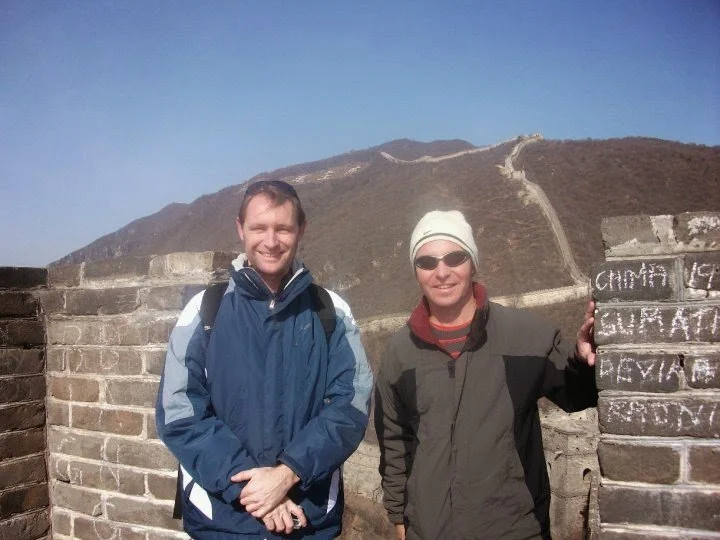
Over 24 years, I’ve successfully built an international teaching career across 6 countries and 8 schools across Asia. Australia, the Philippines, Singapore, China, Hong Kong and Thailand.
Where it Can Take You
Want the Basics Without the Guesswork?
Four pages. No fluff. Just what you actually need to know before you start applying.
Send Me The Guide

‘Two roads diverged in a wood, and I — I took the one less traveled by,
And that has made all the difference.’
Robert Frost
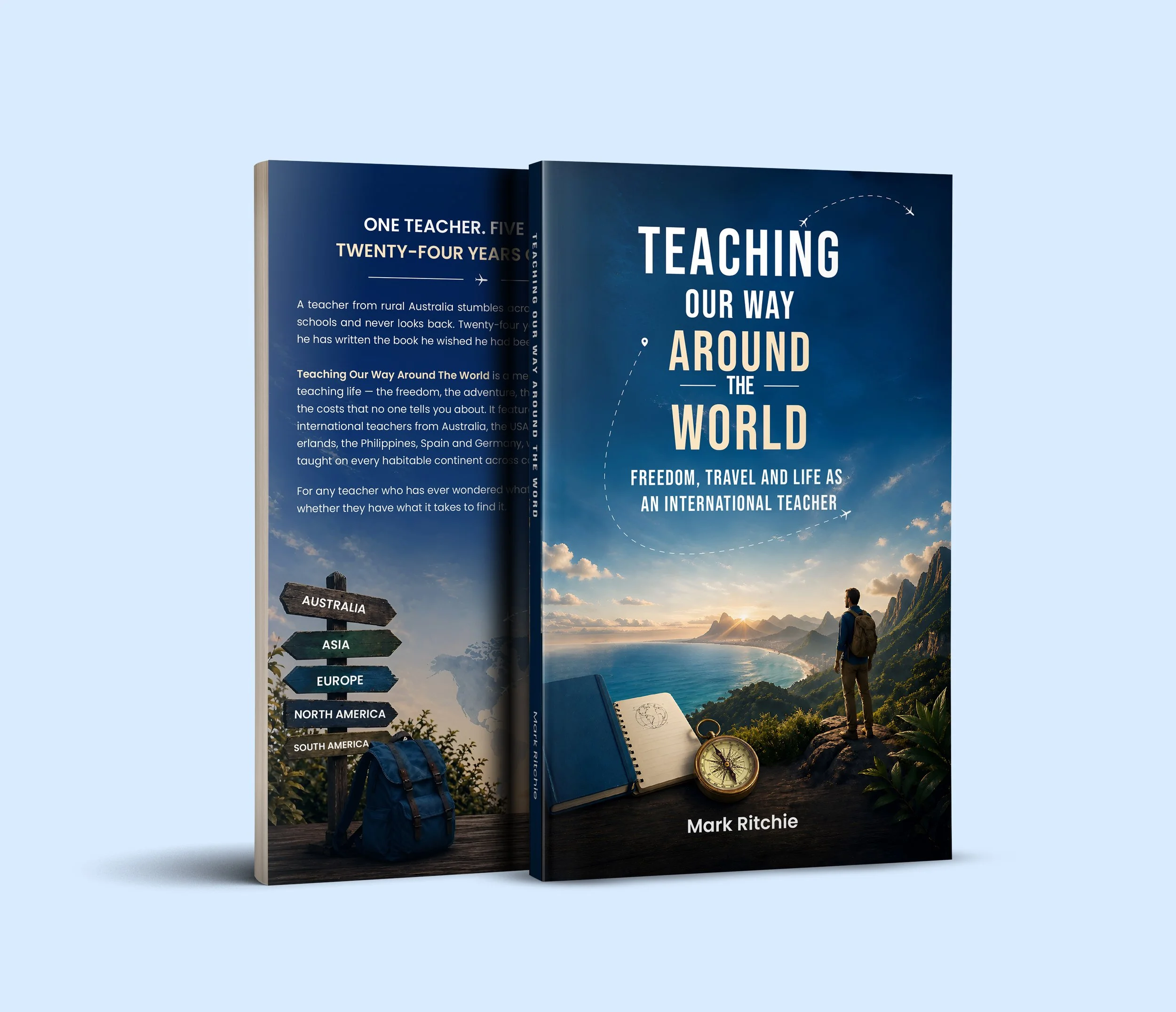
Do you want to go deep into finding out the truth about international teaching? I mean the good, the bad and the ugly of a truly nomadic international teaching life. My new book tells the stories of myself and 12 of my colleagues. How we got started, how it changed and challenged us and why we would all do it all again. Check it out here on Amazon.
Frequently Asked Questions About Teaching Overseas
1. What qualifications do I need to teach overseas?
Most international schools require a recognised teaching qualification and at least a bachelor’s degree. Many schools also prefer two years of classroom experience. However, requirements vary depending on the country, school tier, and subject area. Some entry-level schools may hire newly qualified teachers, while top-tier schools can be far more competitive.
2. Do I need teaching experience before applying internationally?
Not always. While experience helps, many teachers secure their first overseas role early in their careers. Countries and schools with higher demand are often more open to newer teachers. Your subject specialism, flexibility, and willingness to relocate can make a big difference.
3. How much can international teachers earn?
Salaries vary widely depending on the country and school. In many cases, teachers can save significantly more overseas than they could at home because schools may provide housing, flights, health insurance, and lower living costs. Some teachers are able to save thousands of dollars per month.
4. Which countries are best for teaching abroad?
That depends on your goals. Teachers looking to maximise savings often consider countries in Asia or the Middle East, while others prioritise lifestyle, travel opportunities, or long-term career development. Popular destinations include Thailand, Vietnam, China, the UAE, and international schools across Europe.
More FAQs
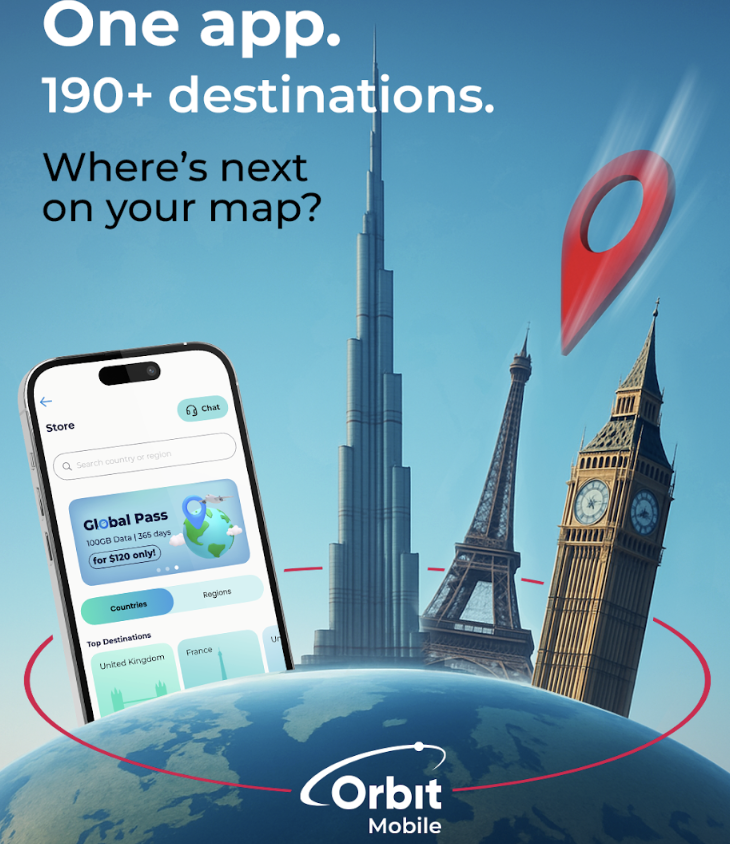
I've recently switched to an eSIM, and the one I've been using is Orbit Mobile. It's been genuinely good — easy to set up, one of the cheaper options I've come across, and one less thing to think about on arrival day. If you want to try it, I've got a 10% discount code — FOOTLOOSE10 — and full disclosure, I do get a small commission if you use it. If you haven't made the jump to eSIM yet, it's worth doing before your next move, abroad or otherwise.